Published: 2025-07-01
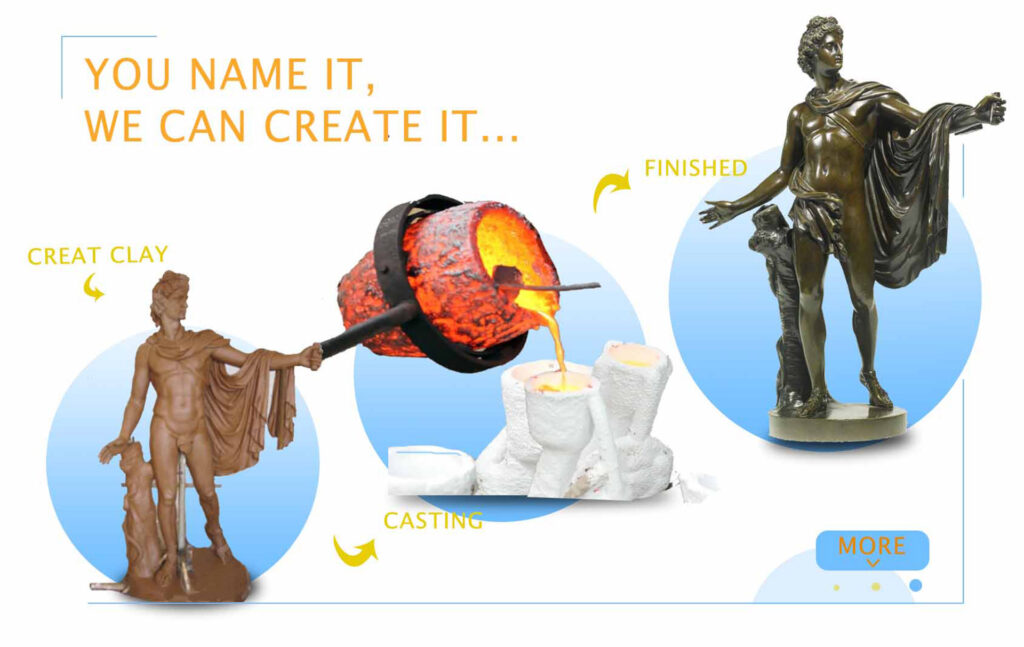
Casting aluminum alloys are a group of aluminum-based materials designed for casting processes, offering a balance of strength, lightweight properties, and corrosion resistance. These alloys are created by combining aluminum with other elements like silicon, copper, magnesium, or zinc to enhance specific characteristics. They are widely used in industries such as automotive, aerospace, and marine due to their versatility and performance in various applications.
MCL Industrial specializes in producing fully machined, finished and tested aluminum castings. Our services include aluminum sand casting, gravity die casting, high pressure die casting, low pressure die casting, CNC machining and finishing services.
Sand CastingThe cast molding process is basic, create a cavity in the shape of your desired part and then pour molten metal into it. Sand casting, also known as sand molded casting, is a metal casting process that uses sand (called casting sand) as the casting material.
After centuries of development, sand casting is the most versatile and arguably the most widely used metal casting method. Design requirements (including shape and size requirements), workpiece and mold costs, required quantities, and even manufacturing feasibility determine which metalworking process (including which casting process) is most suitable.
Products manufactured using sand casting employ techniques that can produce formed parts of almost any design, including very large parts and parts with internal channels.
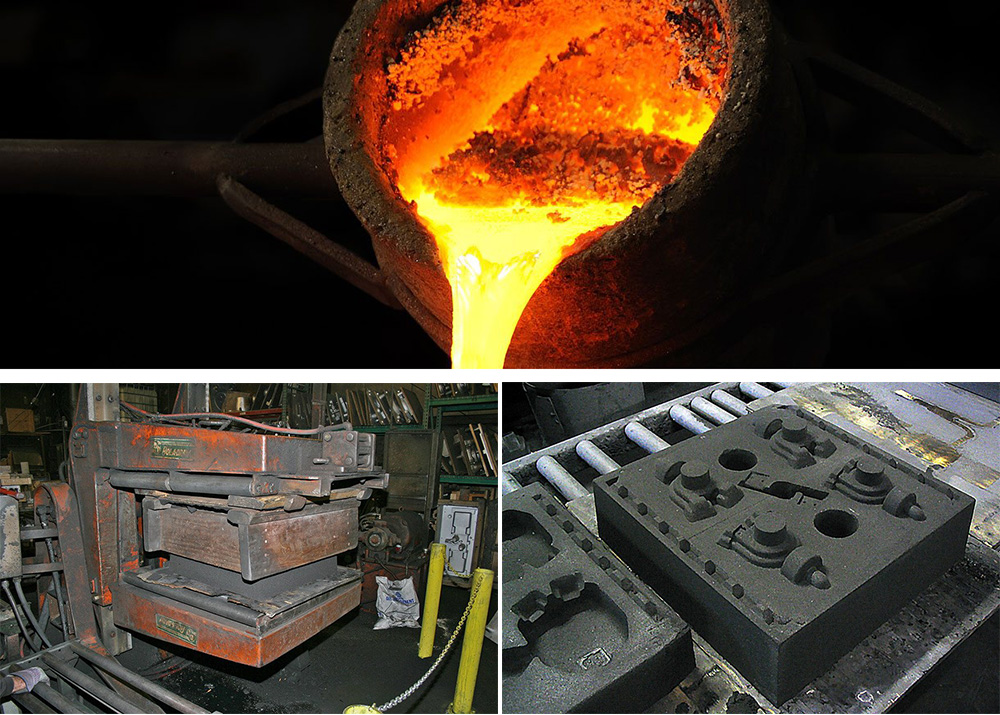 The Sand Casting Process Steps:
Producing The Pattern – Desired Product
B. Producing The Pattern – Gates And Risers: The Metal Delivery System
C. Creating The Mold
D. Pouring The Metal Into The Mold
E. Shakeout
The casting, including both the desired part and the additional metal needed to create it, solidifies and cools. The sand is broken way in a shakeout process.
Much of the sand used to create the mold is captured, reconditioned, and reused
F. Final Operations
The gates, runners, and risers are cut from the casting, and if necessary, final post-processing sandblasting, grinding, etc., are performed to finish the casting dimensionally. Sand castings often require at least some additional machining to reach final dimensions or tolerances.
As a leading aluminum foundry, we design and manufacture our own molds. We established a gravity casting production line to enhance our aluminum casting capabilities. Weight range from less than 1kg to 100kg/piece. Our products cover automobile parts, medical device parts, electrical enclosures/casings, hardware tool parts, etc.
We have the capabilities of mold design, processing and assembly, which makes us more flexible and efficient in serving our customers. For some castings with complex geometric shapes, we also have the capability of numerical computer simulation to help us achieve optimal designs. Better designs before volume production helps reduce trial-and-error costs through experimentation and get designs into production faster.
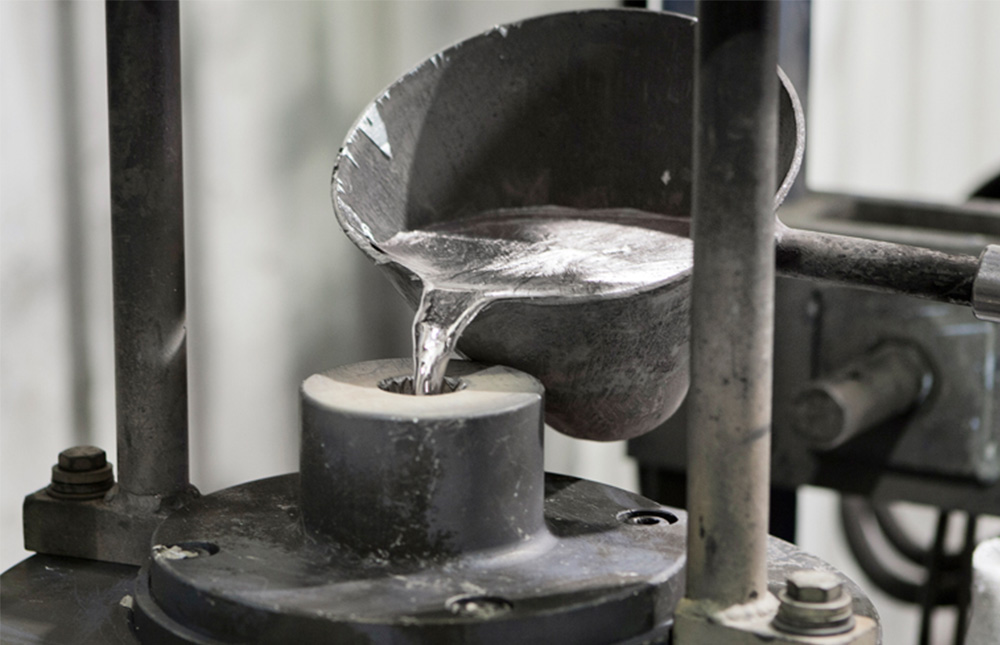
Gravity casting is a typical metal mold casting process in which molten metal is poured into a preheated mold cavity and fills the cavity through the force generated by the earth’s gravity.This process is suitable for small and medium-sized castings with large or small quantities but high quality requirements.
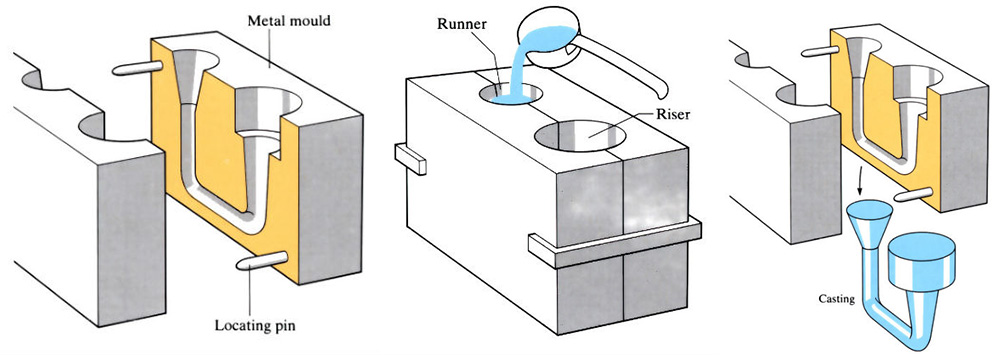 The Advantages of Gravity Casting Process:
Compared with sand casting, gravity cast parts have higher dimensional accuracy, better surface finish, higher production efficiency, and stronger parts when pouring the same metal. In addition, the performance in the air tightness test is also very good. Taking aluminum alloy as an example, after T6 heat treatment, the air tightness of the casting can reach 50kg/cm2.
Compared to high-pressure die casting, gravity die casting is used to produce parts that are heavier, larger, and more complex in structure. Additionally, gravity die casting molds are much cheaper, but the quality of the parts produced by this process is close to that of high pressure die casting parts.
Applications of Gravity Die Casting:
● Automobile parts like engine pistons, blocks, cylinder heads, brake calipers, etc.
● Lighting parts like LED light housings, base materials, etc.
● Kitchen components like spoons, pots, etc.
High pressure die casting is an extremely efficient manufacturing method for producing various product forms. The process forces molten metal at high speed, and high pressure into a closed steel die cavity. We have 2 die casting machines ranging from 2000 ton to 5000 ton. CZC high pressure die casting products covers automotive parts, medical devices parts, electrical enclosures/housings, lighting fixture parts, heat sinks, hardware tool parts, etc., with the weight ranging from 20G to 20KG.
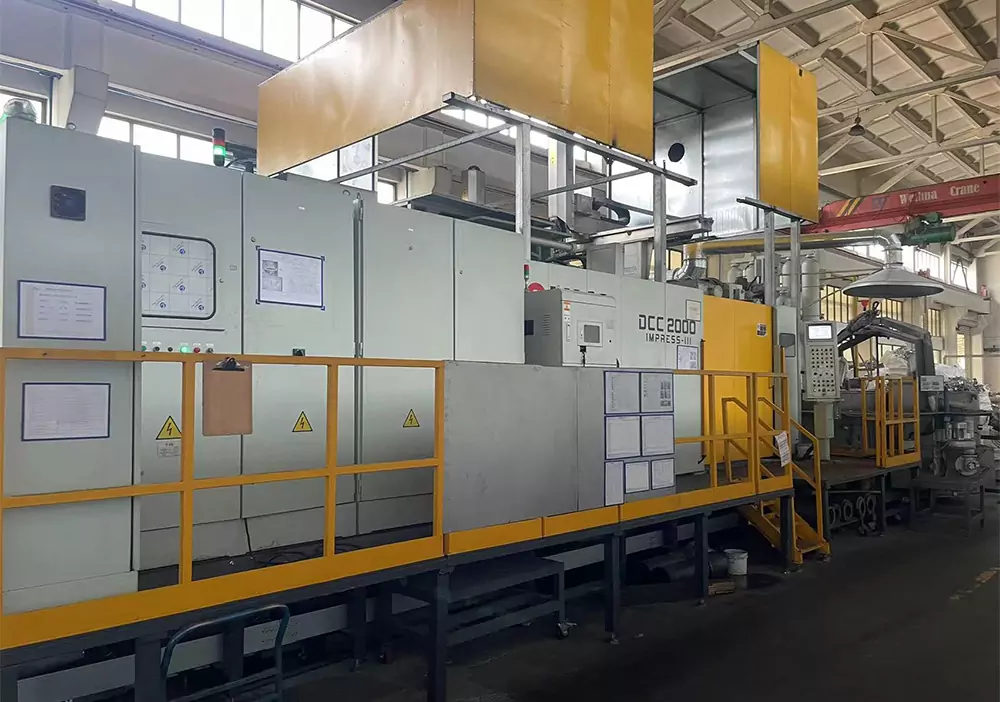 Low Pressure Die Casting (LPDC)
Low pressure die casting uses small pressure, typically around 20-100 kPa (2.9-14.5 psi), instead of gravity to fill a die. Unlike the traditional die casting process, it has a unique setup and uses several pieces of equipment. Below is an illustration of the setup and pieces of equipment that are needed.
The process begins with a melting furnace which melts the metal alloys and brings them to the casting temperature. For example, aluminum has a casting temperature of 710-7200C.
The molten metal will then go to a holding furnace below the mold, which functions as a container while maintaining the liquid at the casting temperature.
Low pressure forces the molten metal through a riser tube into the mold. The liquid metal moves under constant pressure until the molten metal solidifies in the die cavity.
On solidification, the pressure is released, and the remaining molten metal goes back through the riser tube to the holding furnace for recycling. Finally, the casting will be easily removed once the mold is cooled.
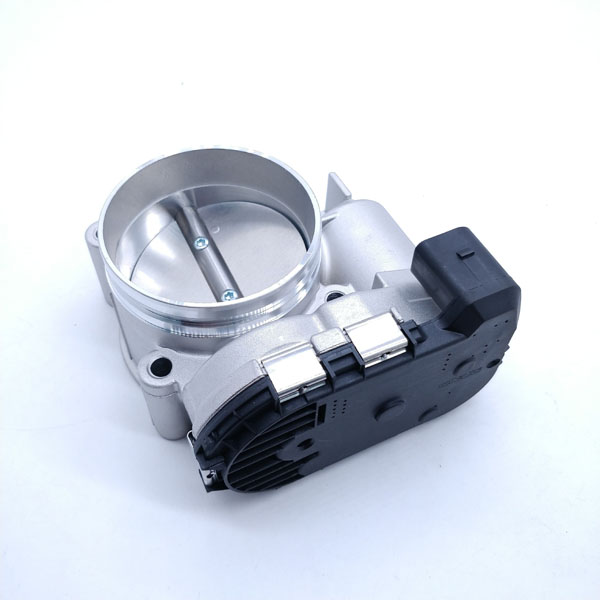
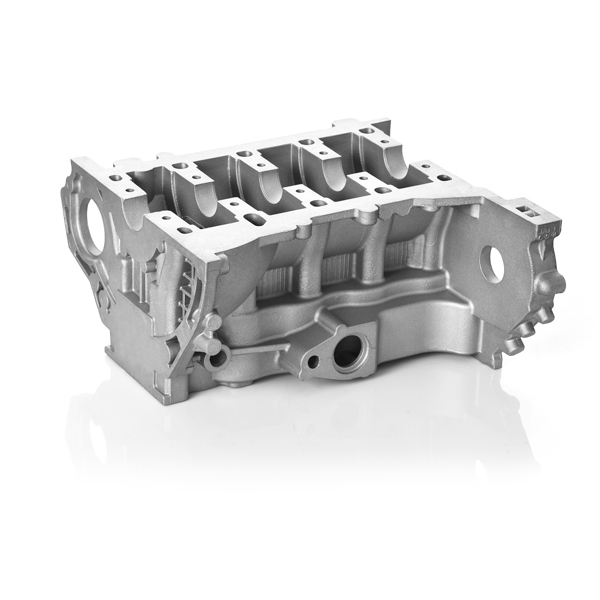
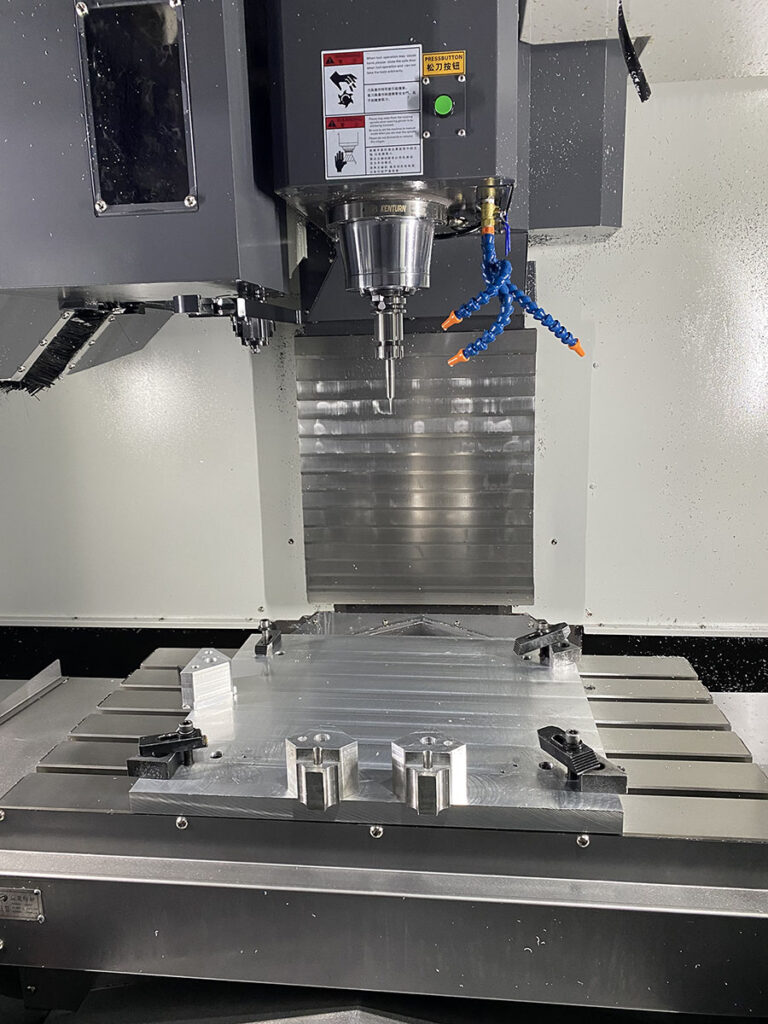
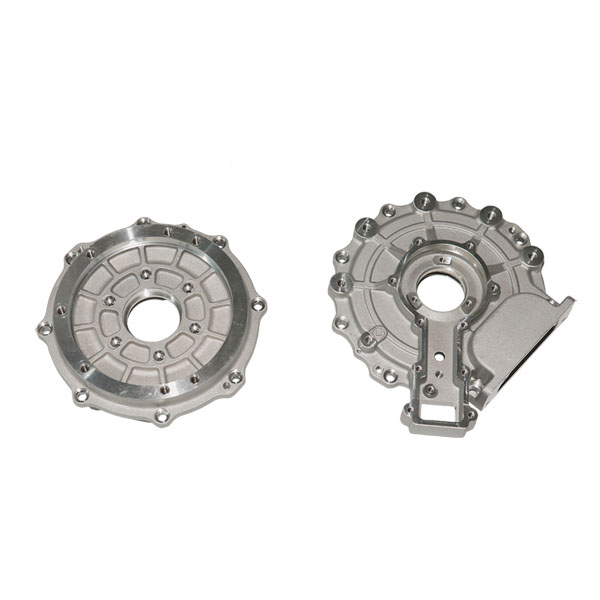 CNC Machining
 Powder coating
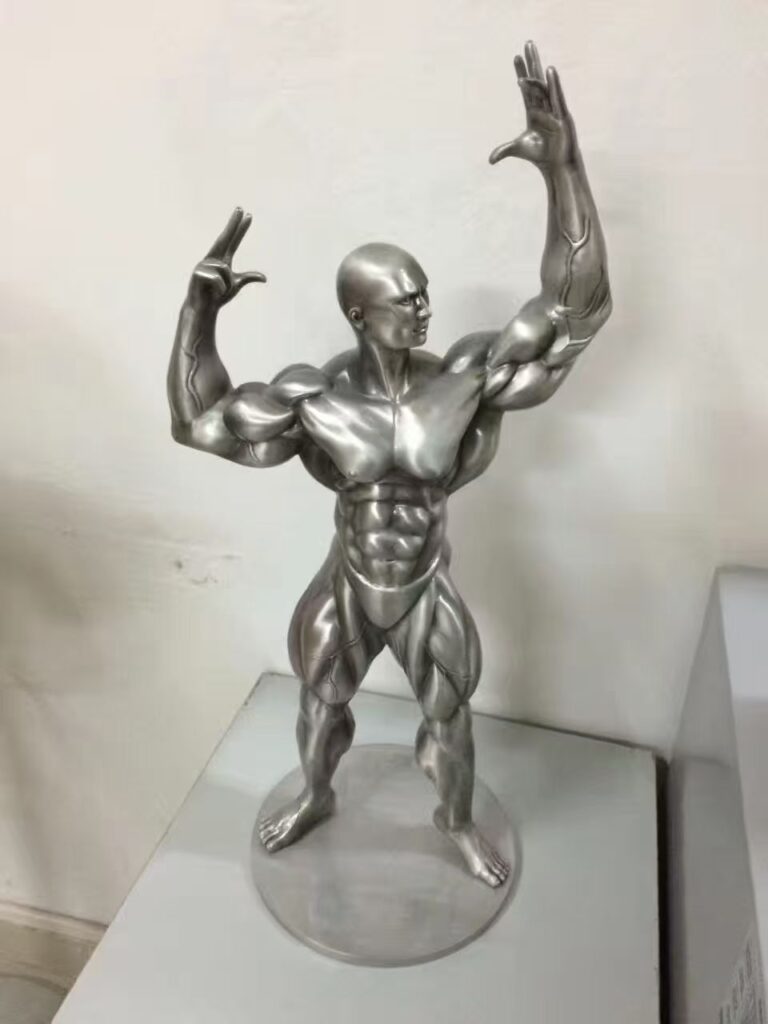
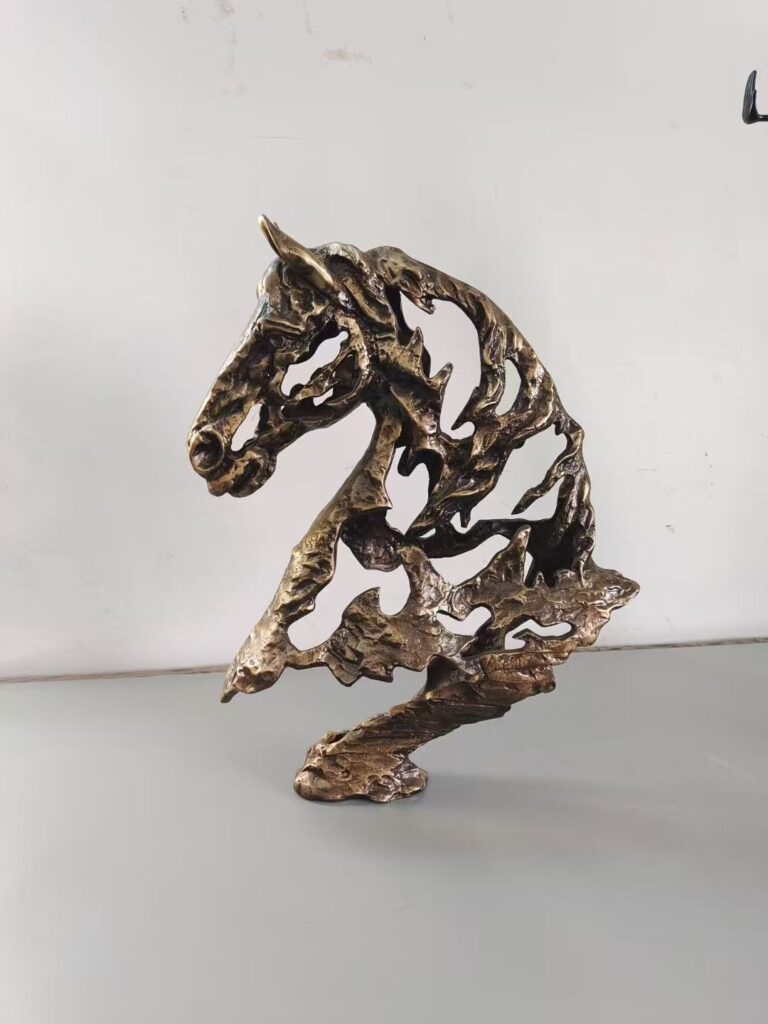
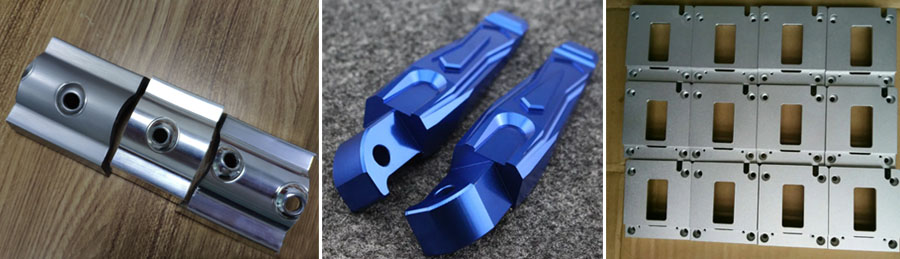 Custom Metal Sculpture